Slab Leaks in Florida Homes: Warning Signs and What to Do
Most Tampa Bay homes sit on concrete slabs with water lines underneath. Here's how slab leaks announce themselves, why Florida homes get them, and the right repair path.
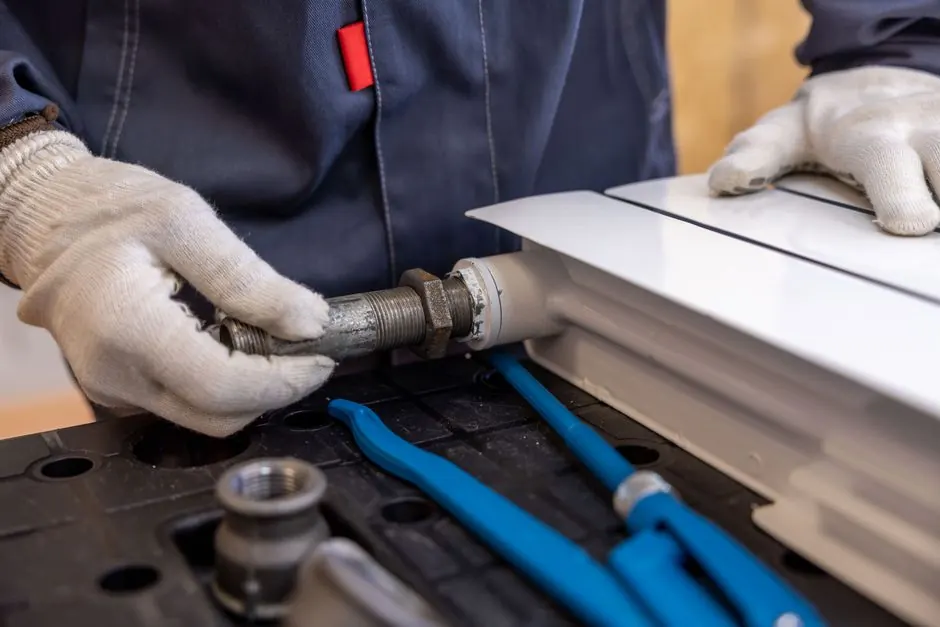
Nearly every home in our service area — from the 1960s ranches of Seminole to the retirement communities of Sun City Center — sits on a concrete slab with water supply lines running beneath or through it. When one of those lines fails, you have a slab leak: invisible, constant, and expensive if ignored. Here's how to catch one early.
Why Florida Homes Get Slab Leaks
The mid-century construction wave across Tampa Bay ran soft copper under slabs. Decades of slightly acidic water chemistry, minor slab movement, and simple age produce pinholes — and a pinhole under pressure runs 24/7. Homes from the 60s-80s are the prime population, which describes a huge share of Pinellas and Pasco housing stock.
The Warning Signs
- A water bill that creeps up with no change in habits — the most common first clue.
- Warm spots on the floor — a hot-line leak gently heats the slab above it. Pets finding a new favorite lying spot is a real tell.
- The sound of running water when everything is off.
- The meter test: turn off every fixture, watch the meter — if it still spins, water is going somewhere.
- Damp baseboards, lifting flooring, or mildew smell along interior walls with no visible source.
What NOT to Do
Don't let anyone jackhammer on a guess. Modern electronic leak detection — acoustic sensing, pressure isolation, thermal imaging — locates a slab leak within a small area before any concrete is touched. Demolition-first "diagnosis" is how one leak becomes three holes in your floor.
Repair Options, Honestly Compared
Spot repair opens the slab at the located leak and fixes that section — sensible when the rest of the line tests healthy. Rerouting abandons the under-slab section and runs a new line overhead through walls and attic — often the smarter play, since a line that's pinholed once tends to pinhole again. Repiping replaces the home's supply system entirely — the right call when detection finds multiple weak points, and common in homes that have had two or more slab leaks already.
Does Insurance Cover It?
Florida policies commonly cover the water damage a slab leak causes and the access (breaking/repairing the slab), while excluding the pipe repair itself — but policies vary and Florida insurers have tightened language in recent years. Document everything, report promptly, and get your plumber's findings in writing; the detection report matters for the claim.
Suspect a slab leak in your home? Do the meter test, then call 855-722-2970 — detection first, concrete second, always.